Skip to content
Facebook-f
Linkedin
Pinterest
info@scaxa.ae (General Inquire)
sales@scaxa.ae (Sales Inquire)
purchase@scaxa.ae (Purchase Inquire)
+971 50 940 9131
Whatsapp
About Us
Services
Scaffolding Rental
Scaffolding Rental Ajman
Scaffolding Rental Al Ain
Scaffolding Rental Fujairah
Scaffolding Rental Abu Dhabi
Scaffolding Rental Dubai
Scaffolding Rental Sharjah
Scaffolding Rental Ras Al Khaimah
Scaffolding Trading
Scaffolding Contracting
Scaffolding For Building Contracting
Scaffolding For MEP Contracting
Scaffolding for Demolition
Scaffolding for Events
Scaffolding for Marine Services and Maintenance
Scaffolding for Industrial Maintenance
Scaffolding for Aluminium Glass Contracting
Scaffolding for Fit out Contracting
Scaffolding for Facilities Management Companies
Scaffolding for Marble Contracting
Scaffolding for Oil and Gas Industry
Scaffolding for Painting Contracting
Scaffolding for Signboards
Scaffolding for Steel Structural Contracting
Scaffolding Manufacturing
Transportation
Systems
Cuplock Scaffolding System
Frame System
Aluminium System
Formwork Systems
Tube & Fitting Scaffolding
Events & Staging
Building Material
LVL & H20
Prop System Scaffolding
Products
Aluminum System
Cuplock
Events Scaffolding System
Formwork
H-Frame System
LVL & H20 Beam
Prop system
Tube Fittings & Accessories
Scaffolding Materials
Scaffolding Guide
About Us
Services
Scaffolding Rental
Scaffolding Rental Ajman
Scaffolding Rental Al Ain
Scaffolding Rental Fujairah
Scaffolding Rental Abu Dhabi
Scaffolding Rental Dubai
Scaffolding Rental Sharjah
Scaffolding Rental Ras Al Khaimah
Scaffolding Trading
Scaffolding Contracting
Scaffolding For Building Contracting
Scaffolding For MEP Contracting
Scaffolding for Demolition
Scaffolding for Events
Scaffolding for Marine Services and Maintenance
Scaffolding for Industrial Maintenance
Scaffolding for Aluminium Glass Contracting
Scaffolding for Fit out Contracting
Scaffolding for Facilities Management Companies
Scaffolding for Marble Contracting
Scaffolding for Oil and Gas Industry
Scaffolding for Painting Contracting
Scaffolding for Signboards
Scaffolding for Steel Structural Contracting
Scaffolding Manufacturing
Transportation
Systems
Cuplock Scaffolding System
Frame System
Aluminium System
Formwork Systems
Tube & Fitting Scaffolding
Events & Staging
Building Material
LVL & H20
Prop System Scaffolding
Products
Aluminum System
Cuplock
Events Scaffolding System
Formwork
H-Frame System
LVL & H20 Beam
Prop system
Tube Fittings & Accessories
Scaffolding Materials
Scaffolding Guide
Contact Us
SCAXA Aluminum Scaffolding System: Lightweight & Durable Solutions
Home
Products
Aluminum System
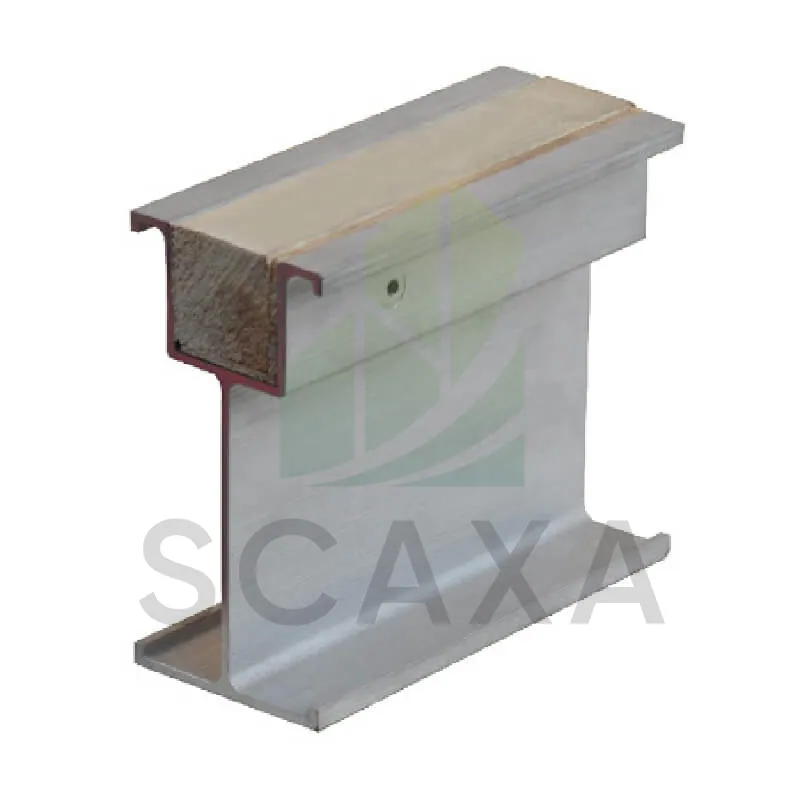
Aluminium Beam S-150
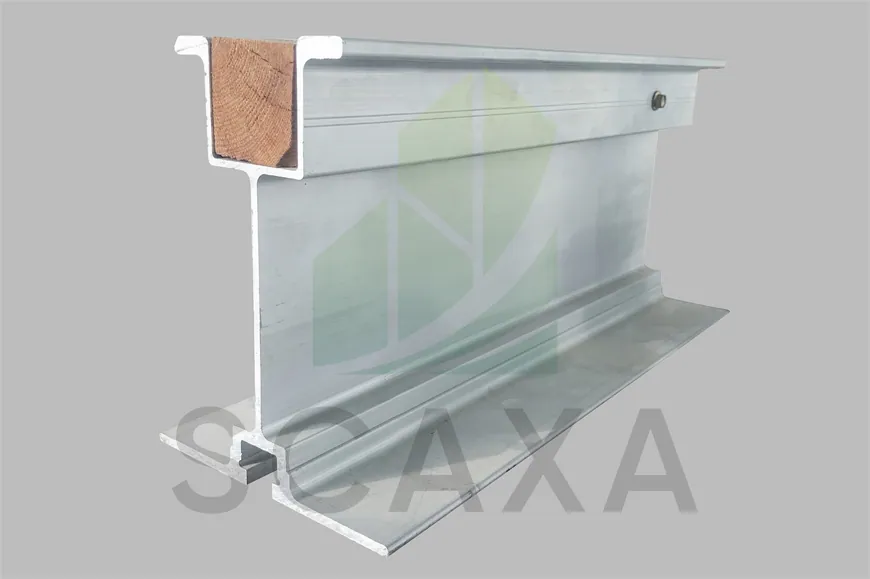
Aluminium Beam T-150
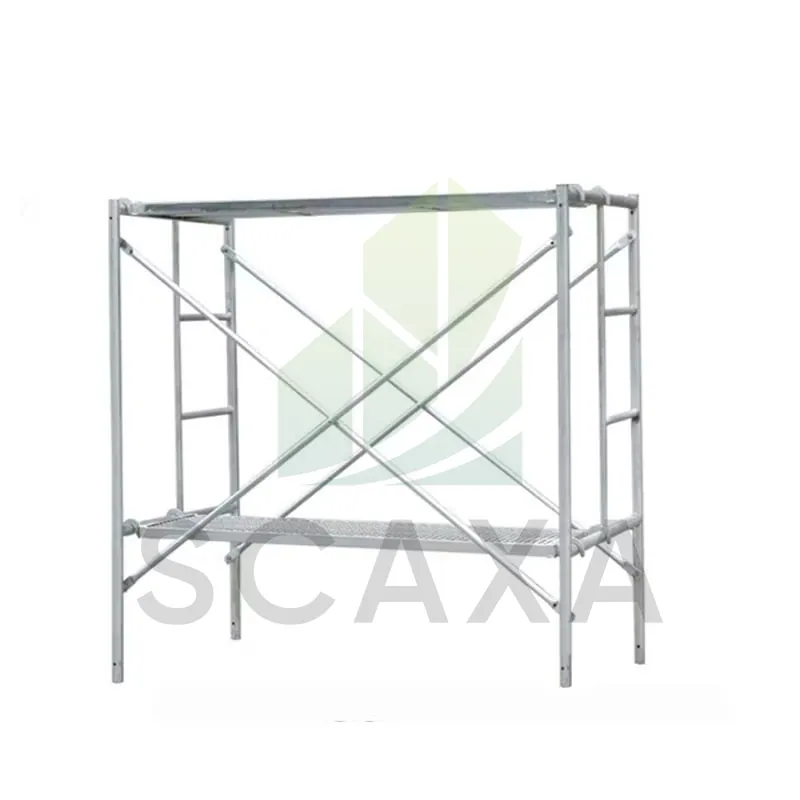
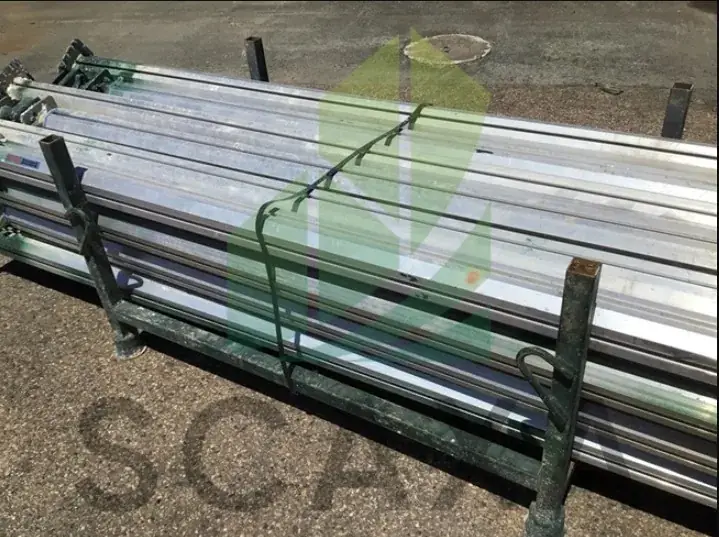
Aluminium Scaffold Frames: Lightweight, Durable & Corrosion-Resistant
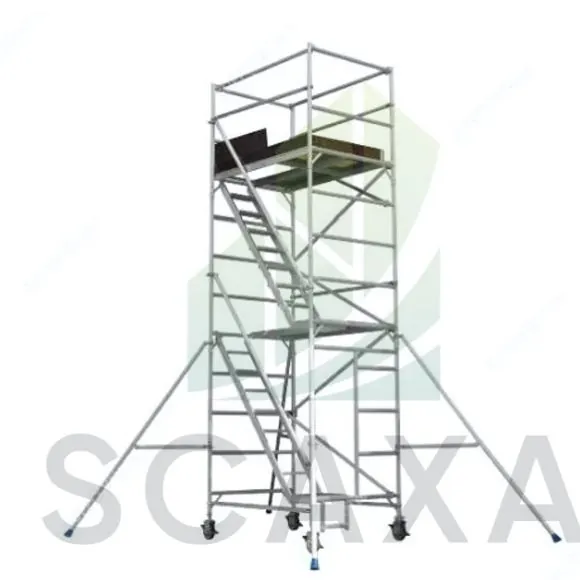
Aluminium Mobile Tower
Aluminium Prop
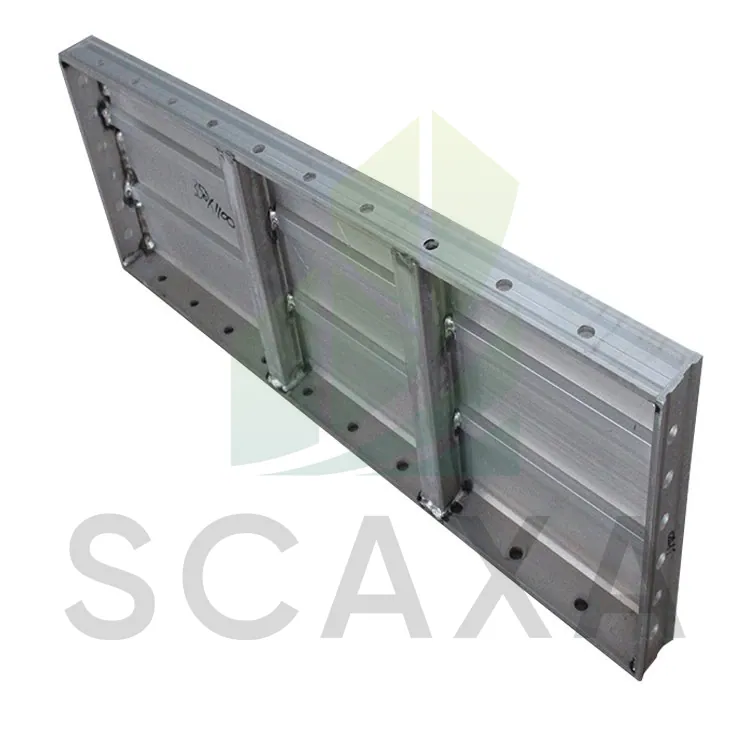
Aluminiun Panel
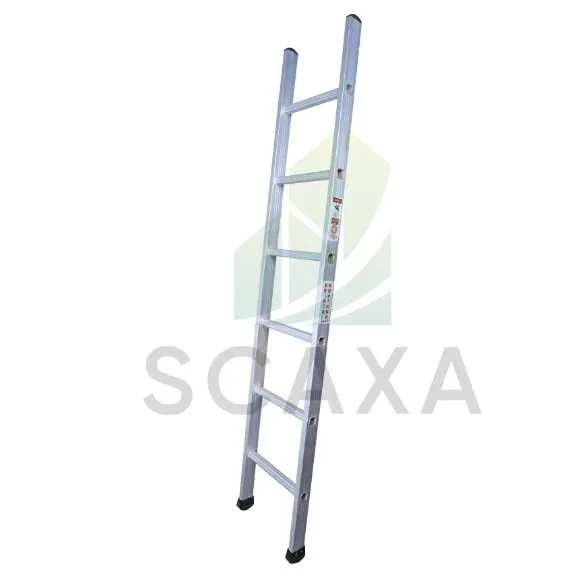
Aluminum Straight Ladder
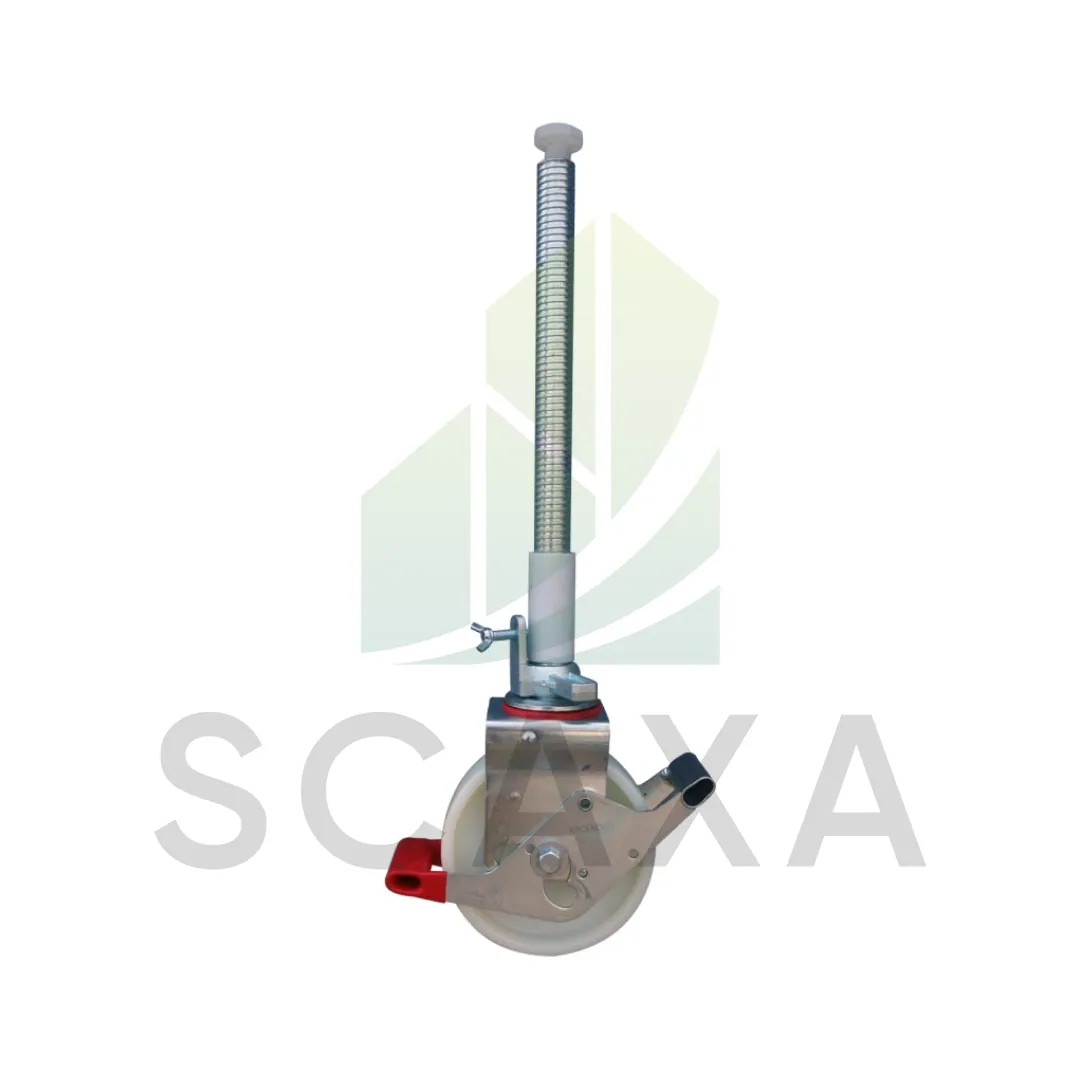
Scaffolding Castor Wheel
Looking for Services to Meet Your Scaffolding Needs?
OUR SERVICES
BUILD WITH STRENGTH AND SAFETY
Elevating Your Project Safely
Follow Us
Facebook-f
Instagram
X-twitter
Linkedin
Get in Touch
Name
Email
Phone
Message
Submit
Talk to Us